Introduction
Have you ever wondered what makes grandma’s chapatis or loaves of bread taste better? The secret often lies in freshly milled flour. In a world ruled by convenience, more and more people are turning back to age-old traditions—and home milling is at the heart of that comeback. If you’re curious about why freshly milled flour is gaining popularity, this is your ultimate guide.
What is Freshly Milled Flour?
Understanding the Milling Process
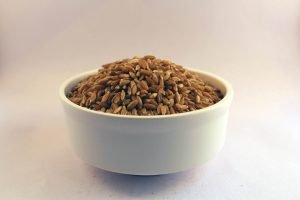
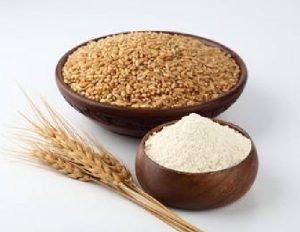
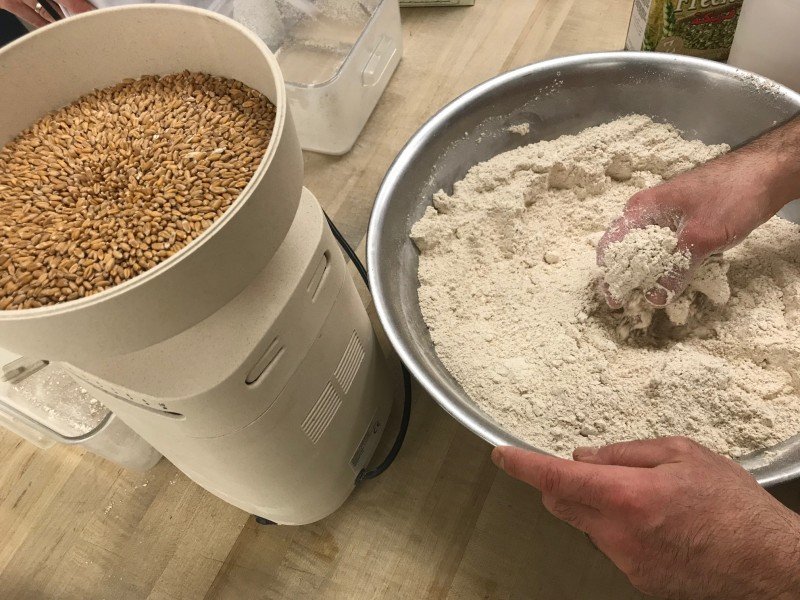
Milling is the process of grinding grains like wheat, millet, or barley into flour. Freshly milled flour is ground at home using a flour mill or grinder and used immediately, without storage or refining.
Whole Grains vs. Refined Grains
Store-bought flour is often refined, meaning the bran and germ are stripped away—taking most of the nutrients with them. Fresh flour keeps all parts of the grain intact, delivering complete nourishment.
Nutritional Superiority of Freshly Milled Flour
Retains Essential Nutrients
Fresh flour is a nutritional powerhouse. It retains vital vitamins like B1, B2, B3, and E, along with minerals like iron, magnesium, and zinc, which get lost during commercial processing.
High in Fiber and Antioxidants
The bran in whole grains is loaded with fiber that aids digestion, while the germ is rich in antioxidants, fighting inflammation and aging.
Taste and Texture Improvements
Richer, Nutty Flavors
Fresh flour has a robust, earthy flavor. Whether you’re baking a rustic sourdough or making rotis, you’ll immediately notice the improved taste.
Better Texture in Baked Goods
It lends a soft yet hearty texture to your food. Your breads rise better, your cookies have that perfect crunch, and your cakes feel more satisfying.
Health Benefits of Using Freshly Milled Flour
Aids Digestion
The high fiber content supports gut health and prevents constipation. Say goodbye to digestive issues caused by ultra-refined flours.
Helps in Weight Management
Whole grains help you feel full longer. They reduce cravings and help in maintaining a healthy weight.
Supports Heart Health
Fresh flour is free of trans fats and preservatives. Plus, its fiber content helps lower cholesterol and maintain blood pressure.
No Additives or Preservatives
100% Natural Goodness
When you grind your own flour, you know exactly what’s going into your food—no chemicals, no bleaching agents, no funny business.
Safer for Long-Term Consumption
Less processing means fewer toxins building up in your system over time. It’s cleaner, safer, and healthier.
Economical in the Long Run
Lower Cost Per Kilo Over Time
Buying grains in bulk is much cheaper than packaged flour. Over time, you save a significant amount.
Reduces Dependency on Store-Bought Flour
Running out of flour? No worries—you’ve got your own grain stash and mill at home.
Environmentally Friendly Option
Less Packaging Waste
Grains often come in reusable or recyclable packaging, reducing plastic waste from multiple flour bags.
Supports Local Farming
You can source your grains from local farmers, cutting down on the carbon footprint and boosting your local economy.
Complete Control Over Grain Choice
Experiment with Different Grains
Wheat, rye, spelt, millet—you’re not limited. Customize your flour based on recipes, flavor, or nutrition.
Customize for Health Conditions
Need gluten-free options? Want low-carb flour? You’re the boss. Choose what suits your health needs.
Freshness Equals Longevity in Baking
Longer-Lasting Products
Fresh flour helps your baked goods stay moist and flavorful for longer without added preservatives.
Fresher Ingredients, Better Results
Every recipe tastes better when made with the freshest ingredients—and flour is no exception.
Easy to Mill at Home with Modern Equipment
Affordable Home Mills
Modern flour mills are compact, user-friendly, and surprisingly affordable. A one-time investment goes a long way.
Simple Process and Maintenance
Grinding flour takes just a few minutes, and cleaning the mill is a breeze. It’s easier than you think.
Cultural and Traditional Connection
Rediscovering Ancestral Practices
Grinding your own flour connects you with the traditions of your ancestors. It’s a ritual of care, not a chore.
Brings Family Together
Baking bread or making rotis becomes a family affair when you involve everyone in the process.
Gluten Sensitivity and Fresh Flour
Less Harsh on the Gut
Some people with mild gluten sensitivities find freshly milled whole wheat flour easier to digest.
Can Improve Tolerance in Some People
Because it’s less processed and chemical-free, it may cause fewer reactions compared to commercial flour.
Encourages Healthy Eating Habits
Promotes Home Cooking
When you have fresh flour at home, you’re more inclined to cook from scratch—reducing your intake of processed foods.
Awareness of Ingredients
It builds a habit of checking what you eat. You become more mindful and health-conscious over time.
Conclusion
Freshly milled flour isn’t just a health trend—it’s a wholesome lifestyle shift. From nutritional benefits and delicious flavors to sustainability and cost savings, milling your own flour is a game-changer. If you want better health, tastier meals, and a deeper connection with your food, it’s time to make the switch. Get yourself a home flour mill, grab some grains, and start your fresh flour journey today!
FAQs
1. How long does freshly milled flour last?
Fresh flour should ideally be used within 1–3 days for maximum nutrition and flavor, but it can be stored in the refrigerator or freezer for up to a month.
2. Can I use freshly milled flour in all recipes?
Absolutely! Fresh flour can be used in breads, cakes, cookies, rotis, pancakes—you name it.
3. Is home milling expensive?
Not at all. The initial investment in a mill pays off in the long run. Bulk grain purchases are cheaper than buying refined flour regularly.
4. What grains can I mill at home?
You can mill wheat, rye, barley, millet, spelt, quinoa, oats, rice, corn, and more depending on your mill.
5. Does freshly milled flour have gluten?
It depends on the grain. Wheat-based flour has gluten, but you can also mill gluten-free grains like rice or millet.