Introduction
If you’ve invested in an Aata Chakki for your home, you’re already on the path to better health. But the benefits of freshly milled flour start with choosing the right grain. Not every grain suits every chakki, and picking the wrong one can affect your flour’s texture, taste, and nutrition. Let’s explore how to make the right choice, so you get the best results from your flour mill every time.
Understanding Your Aata Chakki
Types of Aata Chakki (Domestic vs Commercial)
Domestic chakkis are usually compact and designed for household use. They work best with common grains like wheat, rice, and some millets. Commercial ones have higher capacity and can handle tougher grains like corn or larger batches of pulses.
Grinding Capacity and Grain Compatibility
Check your chakki’s manual—some models specify which grains work best. Overloading it with hard or moist grains may damage the motor or stones.
Common Grains Used in Aata Chakki
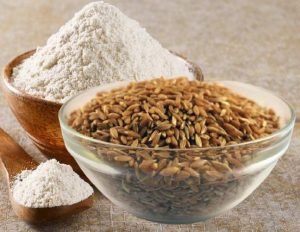
Wheat
The most popular grain for atta, wheat provides soft, fluffy chapatis when ground fresh.
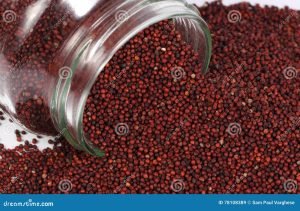
Millet (Bajra, Jowar, Ragi)
These gluten-free grains are great for weight watchers and diabetics. They’re slightly coarse, so ensure your chakki can handle them.
Maize (Corn)
Best for making makki ki roti. Be cautious—corn is hard and not all chakkis are built to grind it efficiently.
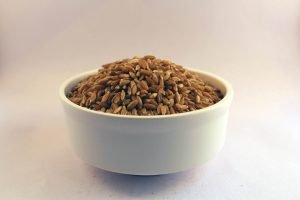
Barley
A fiber-rich grain that boosts digestion and adds a nutty taste to flour mixes.
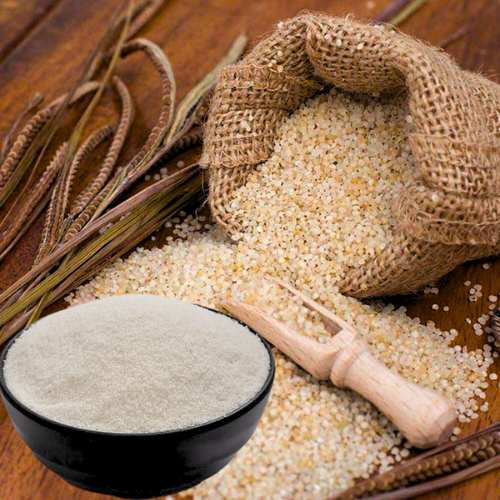
Rice and Rice Bran
Rice can be milled for flour used in snacks and batters. It’s soft but requires low-moisture content.
Lentils and Pulses
Toor dal, chana dal, and moong dal can be ground into protein-rich flours, perfect for adding to multigrain atta.
Factors to Consider While Choosing the Grain
Nutritional Needs
If you need high fiber, go for whole wheat, oats, or barley. For protein, include pulses and soybean.
Texture Preference (Fine vs Coarse Flour)
Some people like coarse rotis, others prefer fine. Choose grains that suit your taste or mix accordingly.
Taste and Recipe Suitability
Jowar has a slight bitterness, while wheat is neutral. Pick grains based on what you’re cooking.
Grinding Ability of the Grain
Hard grains like corn or chickpeas may require commercial-grade chakki or pre-soaking.
Moisture Content in the Grain
Always use dry grains. Moisture can clog the chakki and promote fungus growth.
Cleanliness and Purity of Grains
Remove stones, husk, or foreign particles before grinding.
Best Grain Blends for Multigrain Flour
Wheat + Bajra + Ragi Combo
Excellent for diabetics and high-fiber diets.
Wheat + Soybean + Chana Dal
Adds protein and strength, especially good for growing kids.
Gluten-Free Grain Combinations
Jowar + Ragi + Rice flour make perfect gluten-free flour for people with allergies.
Seasonal Grain Selection
Summer-Friendly Grains
Use jowar, barley, and rice to keep the body cool.
Winter-Friendly Grains
Go for bajra, maize, and ragi to provide warmth and energy.
Where to Source Quality Grains
Local Kirana Stores vs Organic Stores
Local stores are budget-friendly, but organic stores offer chemical-free and clean grains.
Online Grain Suppliers
Websites like Amazon, BigBasket, and organic brands like 24 Mantra offer grain bundles for domestic chakki.
How to Identify Adulterated Grains
Look for unusual shine, inconsistent sizes, or weird smells. These could be signs of chemical treatment or infestation.
Storage Tips for Whole Grains
Keep Grains Dry and Pest-Free
Moisture is your enemy. Use dry, cool places and rotate stocks regularly.
Use Airtight Containers
Protect your grains from pests and humidity.
Regular Cleaning of Chakki for Performance
After every 2–3 uses, clean your chakki to avoid clogging and ensure smooth grinding.
Mistakes to Avoid While Choosing Grains
Using Damp or Uncleaned Grains
This can ruin your chakki and create mold in the flour.
Ignoring Compatibility with Chakki Type
Check if your chakki supports hard grains before trying corn or pulses.
Not Checking Grain Freshness
Old grains have less flavor and nutrition. Always buy in smaller, fresher batches.
Conclusion
Choosing the right grain for your aata chakki is just as important as owning one. The type of grain affects not only the texture and taste of your flour but also its nutritional value. Whether you’re into healthy multigrain mixes or simply want the best wheat flour, always consider grain freshness, cleanliness, and chakki compatibility. Remember, your chakki can only perform as well as the quality of grains you feed it.
FAQs
1. Can I grind all grains in any chakki?
Not necessarily. Always check your chakki’s specifications before grinding hard grains like corn or pulses.
2. How to test grain moisture before grinding?
Try biting the grain—it should be dry and brittle. You can also sundry grains for a few hours.
3. Which grains are best for multigrain atta?
Wheat, bajra, ragi, chana dal, soybean, and oats are great for multigrain flour.
4. How do I know if a grain is clean and safe?
Look for uniformity, no odd smell, no stones, and no powdery residue at the bottom of the sack.
5. Can I grind lentils and pulses in an aata chakki?
Yes, but make sure they are dry and cleaned thoroughly. Some chakki models may require rest periods due to hard grinding.